Falling behind on bookkeeping? You don’t have to love it. Learn how to build a simple bookkeeping system, break it into small habits, and catch up if you’re behind.
Falling behind on bookkeeping is one of the most common problems small business owners face — and it’s rarely about ability. It’s about motivation. According to Dawit Teferi, CEO of ABMBooks and a CPA and CMA, bookkeeping is the most boring task for most people, and the people who actually love it are very few. The good news: you don’t have to love it to stay on top of it.
How Do You Stop Falling Behind on Your Bookkeeping?
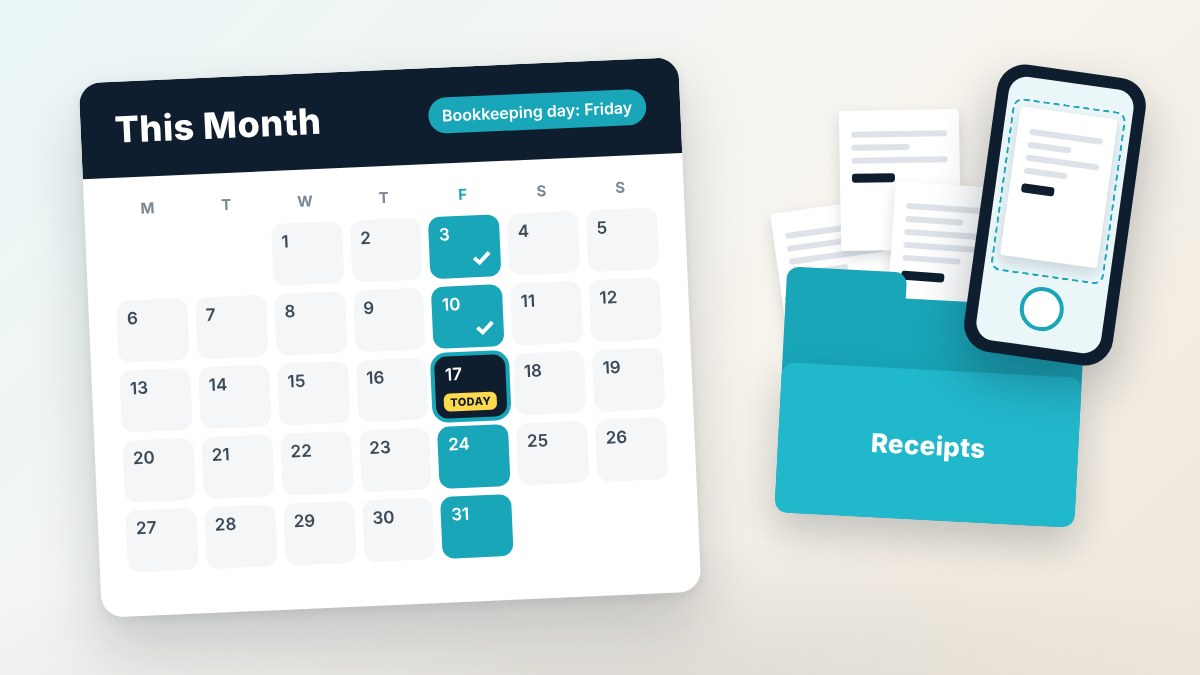
The easiest way to stop falling behind on bookkeeping is to build a system. A bookkeeping system isn’t necessarily software; it’s a consistent way of doing things. Break bookkeeping into small components, like saving every expense photo in one folder and setting one day a week for your books, then stick to it with discipline.
- Build a system: a repeatable way of doing bookkeeping, not just an app
- Break it into components: small habits for expenses, income, and review
- Be disciplined: you don’t need to love bookkeeping, you need to do it
Table of Contents
Why Do So Many Business Owners Fall Behind on Bookkeeping?
Because bookkeeping feels tedious, it’s the first task to get pushed aside when you’re busy. As Dawit puts it, bookkeeping is the most boring task for people, and very few people genuinely enjoy it. But he’s equally clear that it’s a very important part of running a business, so putting it off only makes the pile bigger.
When bookkeeping slips, the problems compound: receipts get lost, you lose sight of what you’re spending, and catching up becomes a much bigger project. Two of our customers learned this firsthand — see the story of a Vancouver plumber with $3,400 in receipts in his truck and a Winnipeg contractor spending 8 hours a week on his books.
What Is a Bookkeeping System If It’s Not Software?
A bookkeeping system is simply a consistent way of doing your bookkeeping. Dawit explains that it’s not necessarily a computer; it’s the way you do it. Software helps, but the system is the set of habits behind it: where receipts go, when you sit down to do the books, and what you check each time.
The key is to break bookkeeping into different components based on how you manage your business. Instead of one overwhelming task, you get several small, manageable ones:
| Bookkeeping component | Simple habit | How often |
|---|---|---|
| Expenses | Take a photo of every receipt and save it to one folder | As each expense happens |
| Income and deposits | Check what came into your bank account | Weekly |
| Bookkeeping session | Enter or upload expenses on a set day you protect | Weekly |
| Bank reconciliation | Match your records to your bank statement | Monthly |
| Year-end | Hand organized records to your accountant | Yearly |
How Do You Build a Bookkeeping System That Sticks?
A bookkeeping system sticks when it’s simple enough to follow on a busy week. Dawit’s advice is to get yourself into a discipline: choose a day of the week for bookkeeping and be religious about it. Here’s how to set one up:
How to build a simple bookkeeping system that keeps you from falling behind.
Create one folder for expense photos
Pick one place, such as a phone album, cloud folder, or your bookkeeping app, and save a photo of every receipt there the moment you get it.
Choose a bookkeeping day and protect it
Block the same day and time every week in your calendar for bookkeeping, and treat it like a meeting you can’t move.
Break bookkeeping into small components
Split the work into expenses, income, review, and reconciliation, so each session is a short list of small tasks instead of one big chore.
Do it even when you don’t feel like it
Discipline matters more than motivation. A short session on your set day keeps the backlog from building up.
Review and adjust monthly
Once a month, reconcile with your bank statement and adjust your system if something isn’t working.
How Do You Catch Up on Bookkeeping If You’re Already Behind?
If you’ve already fallen behind on bookkeeping, don’t try to fix everything at once. Start with your bank and credit card statements, which show every transaction, and work through them one month at a time. Match receipts where you have them, then switch to your weekly system so the backlog doesn’t come back.
- Start with statements: bank and credit card statements give you a complete list of transactions
- Work one month at a time: small chunks are easier to finish than a whole year
- Gather missing receipts: check email inboxes and supplier accounts for digital copies
- Keep records organized: the CRA requires business records to be kept for at least six years
- Get help if needed: a bookkeeper can clear a backlog much faster
Not sure whether to do it yourself? Read When should I hire a bookkeeper?
How Can ABMBooks Help You Stay on Track?
ABMBooks makes it easier to keep your bookkeeping system running. Every plan includes bookkeeping tools for tracking expenses, Smart Upload for getting documents into the system, and reports to review your numbers. If you’d rather hand it off entirely, the Bookkeeping Support add-on on the pricing page gives you a dedicated ABM bookkeeper, monthly bank and credit card reconciliation, a quarterly financial review, and a year-end package for your accountant, starting from $200/month on top of your plan.
Frequently Asked Questions
Why do I keep falling behind on my bookkeeping?
Most owners fall behind because bookkeeping feels boring and gets pushed aside when they’re busy. Without a set routine, small tasks pile up into a large backlog. Building a simple system, with a set bookkeeping day and one place for receipts, makes it much easier to stay current every week.
What is a bookkeeping system?
A bookkeeping system is a consistent way of doing your bookkeeping, not just software. It includes where you store receipts, when you update your books, and what you review each time. Software supports the system, but the habits are what keep your records accurate and up to date.
How do I catch up on bookkeeping if I am months behind?
Start with your bank and credit card statements, since they list every transaction. Work through one month at a time, match receipts where you have them, and look for digital copies in email. Once you’re caught up, switch to a weekly routine so the backlog doesn’t return.
Do I need to love bookkeeping to keep up with it?
No. Very few business owners enjoy bookkeeping, and that’s fine. What matters is discipline: setting a regular time and sticking to it. A short, consistent session each week keeps your records accurate and your business on track, even if bookkeeping never becomes your favourite task.
How long should I keep receipts and bookkeeping records?
In Canada, the CRA generally requires businesses to keep records, including receipts, for at least six years from the end of the tax year they relate to. Keeping receipt photos in one organized folder makes it easier to meet this requirement and find records quickly if you need them.
Should I hire a bookkeeper if I keep falling behind?
If you’ve tried a system and still can’t keep up, a bookkeeper can help. They can clear a backlog, handle monthly reconciliations, and prepare records for year-end. ABMBooks offers a Bookkeeping Support add-on with a dedicated bookkeeper, starting from $200 per month on top of your plan.
In Dawit’s Words
“Bookkeeping is the most boring task for people. The people that I know that love bookkeeping are very few. I think it’s a very important part of life. So I find the easiest way to handle it is to build a system — meaning it’s not necessarily a computer, it’s a way of you doing it. Break things into different components. … If you get yourself into a discipline, that’s the best way. You don’t necessarily need to love it, you need to do it. This is how you keep your business afloat.”
— Dawit Teferi, CEO, CPA, CMA, ABMBooks
About the expert: Dawit Teferi is the CEO of ABMBooks, a CPA and CMA, and leads a Canadian tax and accounting practice. He built ABMBooks to solve the payroll and bookkeeping problems he saw small business clients face every day. Learn more about ABMBooks.
You don’t have to love bookkeeping to stop falling behind on it. Build a simple system, protect your bookkeeping day, and keep your business afloat.