Saving receipts until tax time delays today’s work to tomorrow. Here’s why weekly bookkeeping keeps you in touch with your business, and how to build the habit.
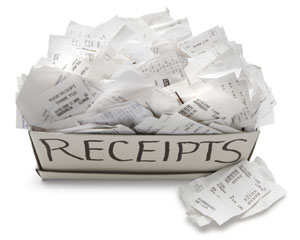
Weekly bookkeeping sounds like one more chore — so many small business owners do the opposite. They save every receipt in a shoebox, envelope, or truck console and deal with it all at tax time. According to Dawit Teferi, CEO of ABMBooks and a CPA and CMA, there’s nothing wrong with saving receipts. The problem is what waiting until tax time costs you along the way.
What’s the Problem With Saving Receipts Until Tax Time?
Saving receipts isn’t wrong, but waiting until tax time to enter them means you’re delaying today’s work until tomorrow. Until those numbers are in a system, you can’t see what you’re spending or where your business is heading. Entering expenses weekly keeps you in touch with your business all year, not just once a year.
- You lose visibility: you can’t see spending trends until months later
- Work piles up: a year of receipts takes far longer to sort than one week’s worth
- Receipts go missing: paper fades, gets lost, or can’t be matched to a purchase
Table of Contents
Why Does Entering Expenses as You Go Matter?
Because the act of entering expenses is how you stay connected to your business. As Dawit explains, when you’re actually typing in your expenses, you see what you’re spending. That means, by nature, you know what direction your business is going — long before your accountant shows you a year-end report.
As an accountant, Dawit calls this connection essential. It’s the same idea behind reviewing your income statement, cash flow, and costing regularly: numbers only help you make decisions if you look at them while they still matter.
How Often Should You Do Your Bookkeeping?
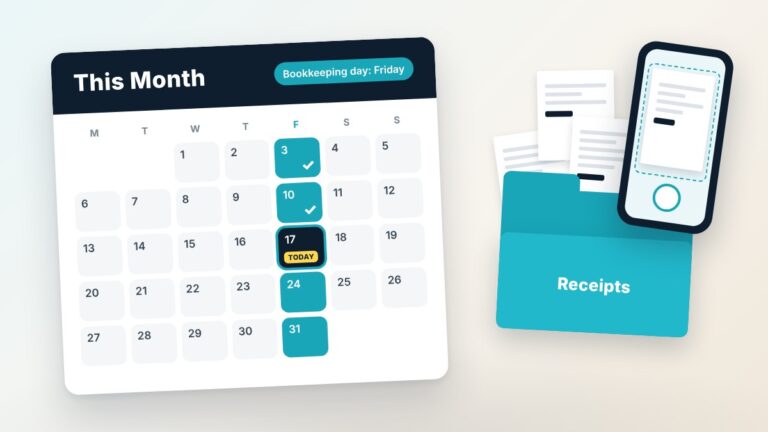
For most small businesses, weekly bookkeeping is the sweet spot. Dawit recommends having a set day each week to enter your numbers and look at them at a high level — how much came into the bank and how much went out. Doing it weekly keeps the task small and your picture of the business current. Here’s how the common approaches compare:
How Do You Build a Weekly Bookkeeping Routine?
A weekly bookkeeping routine doesn’t need to take long. The key, as Dawit puts it, is the discipline of following a system. Here’s a simple routine you can start this week:
How to build a simple weekly bookkeeping routine for your small business.
Enter or upload your receipts and expenses
Add every receipt and expense from the past week into your bookkeeping software, or upload them, so nothing waits until tax time.
Review your numbers at a high level
Look at what came into the bank and what went out. Note anything unusual, such as a large expense or a missing deposit.
Reconcile with your bank statement monthly
Once a month, match your recorded transactions to your bank statement so your books stay accurate.
Keep your records organized
Store receipts and records digitally. The CRA requires businesses to keep records for at least six years from the end of the tax year they relate to.
Does It Matter Which Bookkeeping Software You Use?
Less than you might think. Dawit is clear that the habit matters more than the platform: whether you use ABMBooks, QuickBooks, or another system, what counts is the discipline of entering your numbers consistently. The best software is the one you’ll actually use every week.
That said, software that makes entry fast makes the habit easier to keep. Look for receipt capture, bank connections, and simple reports, so your weekly session takes minutes instead of an afternoon.
How Does ABMBooks Make Weekly Bookkeeping Easier?
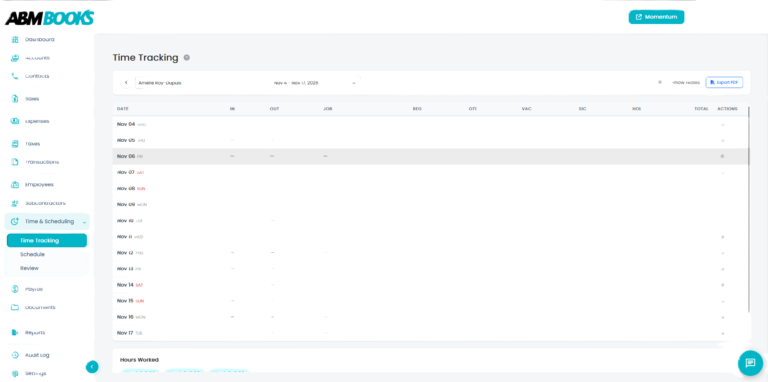
ABMBooks is built to keep weekly bookkeeping quick. Every plan includes bookkeeping tools for tracking expenses, plus Smart Upload for getting documents into the system, and reports like the income statement and balance sheet so you can review your numbers at a glance.
See how it works in practice: a Vancouver plumber found $3,400 in receipts sitting in his truck, and a Winnipeg contractor cut his bookkeeping from 8 hours a week to under 30 minutes by switching to a simple, consistent system.
Frequently Asked Questions
Is it okay to save all my receipts until tax time?
It’s not wrong, but it delays today’s work until tomorrow. Waiting until tax time means you can’t see what you’re spending during the year, receipts are more likely to go missing, and you face a large backlog. Entering expenses weekly keeps your books current and tax time easier.
How often should a small business do bookkeeping?
Weekly is ideal for most small businesses. Pick a set day each week to enter expenses and review what came in and went out. Then reconcile with your bank statement monthly. A short weekly session is easier to keep up with than a large monthly or yearly catch-up.
How long should I keep receipts in Canada?
The CRA generally requires businesses to keep records, including receipts, for at least six years from the end of the tax year they relate to. Some records, such as those for capital property, must be kept longer. Storing receipts digitally makes them easier to keep organized and find later.
What should I review during weekly bookkeeping?
Keep it high level. Check how much money came into your bank account, how much went out, and whether any expenses look unusual. This quick review, done every week, keeps you in touch with your business and helps you spot problems early instead of at year-end.
Does it matter which bookkeeping software I use?
The habit matters more than the platform. Whether you use ABMBooks, QuickBooks, or another system, what counts is consistently entering your numbers. Choose software that makes entry fast, with receipt capture and simple reports, so your weekly routine takes minutes rather than hours.
Can I do weekly bookkeeping myself?
Yes. A weekly routine is designed to be manageable for owners without an accounting background. Many owners enter expenses themselves each week and work with a bookkeeper or accountant for reconciliations, year-end, and tax filing. Staying involved weekly also makes your accountant’s work faster and more accurate.
In Dawit’s Words
“What’s the problem with saving all my receipts until tax time? Nothing wrong with that. It’s the age-old question. You’re delaying today’s work to tomorrow. If you’re actually in the habit of typing these numbers into a system — whatever the system is, ABMBooks or QuickBooks or whatever other platform you have — you have the discipline of following a system. It allows you to stay in touch with your business. … It’s really good that you have a set day in the week that you type in the numbers.”
— Dawit Teferi, CEO, CPA, CMA, ABMBooks
About the expert: Dawit Teferi is the CEO of ABMBooks, a CPA and CMA, and leads a Canadian tax and accounting practice. He built ABMBooks to solve the payroll and bookkeeping problems he saw small business clients face every day. Learn more about ABMBooks.
Don’t let tax time be the first time you look at your numbers. Pick a day, build a weekly bookkeeping habit, and stay in touch with where your business is going.